The Debrief
By Maya Jacobson 04/17/2026
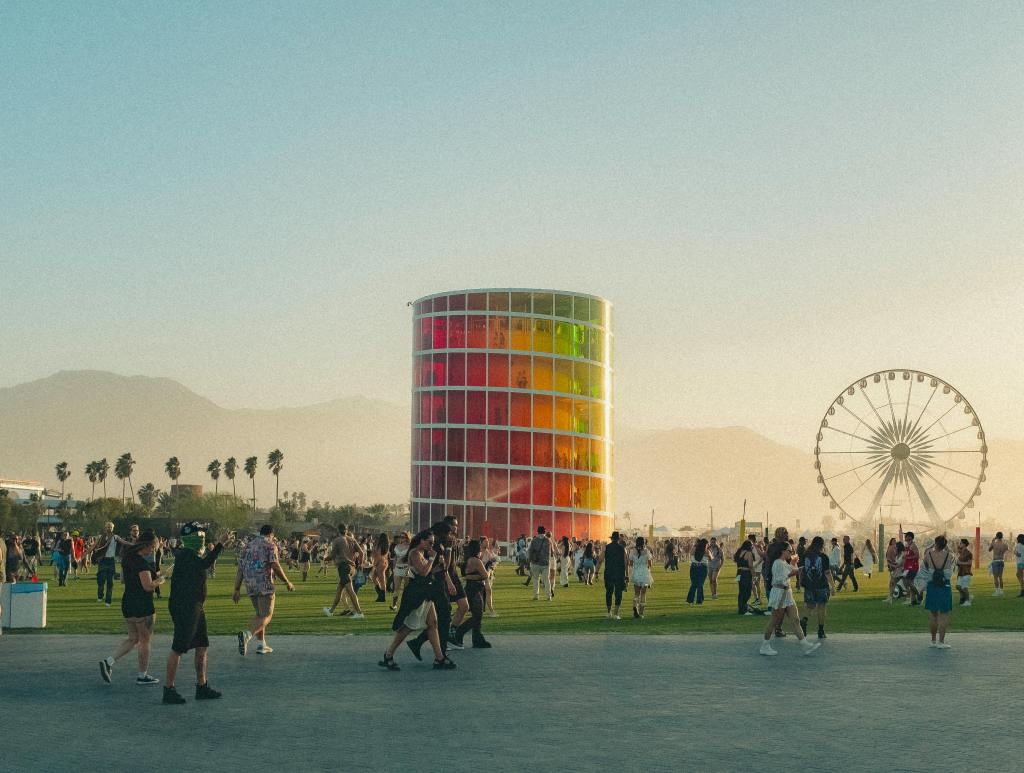
Indio, California: Photo by Benjamin Farren/ Pexels
The Real Headliners
If Coachella was once primarily about the music, 2026 made it clear that influence has taken center stage. Held over two weekends in Indio, California, the festival is once again sold out and dominating social media, but the biggest moments did just come from musical performances, although “Bieberchella” was pretty amazing. Instead, they came from carefully curated posts, brand activations, and influencers documenting every detail of their experience in real time. From a public relations perspective, Coachella has evolved into far more than a music festival, it is now a fully immersive marketing platform where brands compete for relevance as much as audience attention.
“Influencer Olympics” Strategy
The idea of Coachella as the “Influencer Olympics” is not new. The term gained traction in the mid-2010s to early 2020s, as social media creators like Emma Chamberlain began documenting the festival, and brands started flying influencers out for content-driven experiences. But this year’s Coachella feels more strategic than ever. According to a Vogue Business article, “Coachella’s Big Brand Renaissance” by Madeleine Schulz, brands are relying heavily on creators to shape how they’re being perceived. Influencers are no longer just attendees; they are extensions of brands, often invited, styled, and positioned for maximum visibility.
This reflects a broader shift in PR strategy, where influencers act as middlemen between brands and audiences. Rather than pushing messages directly to consumers, companies are working through content creators who already have established trust and engagement with their followers and fans. In many ways, this mirrors the two-step flow of communication theory coined by Paul Lazarsfeld, where “opinion leaders” influence how messages are received and interpreted from publics.
Inventive Marketing Drives Engagement
One noticeable change this year was the dominance of experiential marketing. Brands are no longer satisfied with simple sponsorships or logo placements; instead they are creating interactive environments designed specifically for product promotion and content creation. There are the classics like Revolve, which has long set the standard with its influencer trips, private parties, and exclusive desert experiences, as well as brands like 818 Tequila, Nylon House, and White Fox Boutique, all of which have built reputations around hosting high-profile events designed for content creation and celebrity appearances. This year, Rhode, Hailey Bieber’s skincare and makeup brand, built on this model by creating an immersive pop-up called “Rhode World,” complete with product sampling, photo-op installations, and branded spaces designed for social media sharing, which quickly became a destination in its own right, attracting influencers and attendees alike.
The Challenge of “Too Much” Content
At the same time, the sheer volume of influencer content presents a growing opposition. With so many brands competing against each other for attention, it becomes difficult to stand out and make an impact. When every post features a sponsored product or branded backdrop, audiences may begin to disengage, the once authentic content feels more staged, leading to what marketers describe as influencer fatigue.
This creates an obstacle for PR professionals. In a space where everyone is trying to go viral, differentiation and authenticity becomes essential. The brands that succeed are often the ones that move beyond aesthetics and focus on storytelling, creative innovations, and making moments that feel singular rather than repetitive. Emotional connection, not just visual consumer appeal, is what eventually helps brands cut through the noise.
What Does this Mean for PR?
Coachella 2026 overall is the blueprint for how public relations and marketing have progressed over time, and shows the new shapes they have taken. It demonstrates the growing importance of influencer partnerships, interactive branding and the need for digital-first strategies in a highly competitive social media environment. While the music remains the vocal point, the festival’s cultural significance now extends far beyond the artists performing.
Coachella is no longer the young, free-spirited music festival it once was, it is now about how moments are captured, curated, and shared online. For PR and marketing professionals, that shift represents both amazing opportunities but also challenges. In a space where everyone is trying to be seen, the brands that succeed will be the ones that feel the most real.
To read more about the Vogue Business article, “Coachella’s Big Brand Renaissance,” go to https://www.vogue.com/article/coachellas-big-brand-renaissance.

