The Debrief
By Maya Jacobson 04/29/2026
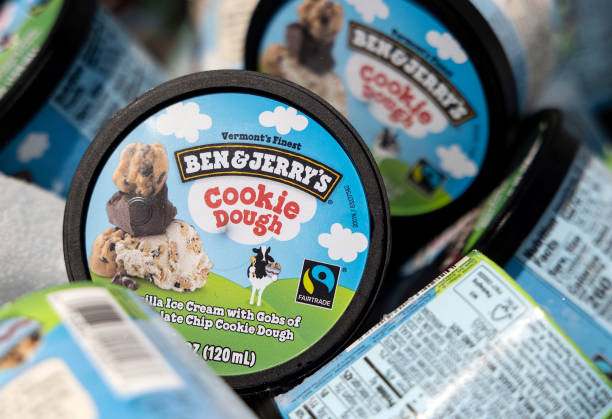
Ben & Jerry’s and CSR
In today’s day and age, brands and companies are often judged by more than the products and services they sell. At a basic level, they’re expected to have the obvious ethical values, company culture and manufacturing but increasingly, are expected to also have an involvement in social issues.
One brand that consistently is a strong example of corporate social responsibility (CSR) is the beloved Ben & Jerry’s. While many consumers know the company for their fun, delicious flavors and playful branding, it also has built a reputation around activism and mission driven communication. What makes Ben & Jerry’s CSR initiatives so compelling is not just that the company speaks out on headlining issues, but that social advocacy seems embedded in the brand’s identity.
CSR Can Be a Brand Strategy
CSR can sometimes feel like a reputation or crisis management tactic when brands need to give some kind of restitution or apology to consumers after a bad deed. This could be a public statement, a short-term campaign tied to a trending issue or cause, or a donation meant to repair audience trust after backlash. Where Ben & Jerry’s feels different though, is because activism has long been a part of the brand rather than something that feels added on to save face.
Effective CSR shouldn’t just be a reactive PR strategy. When it’s done well, it’s on going, roots in the company’s values, and is reflected in how the brand communicates with its audiences over time. Ben & Jerry’s has built its reputation by doing exactly that, using its platform to speak on issues such as climate justice, human rights and economic inequality, while making those values a part of its brand identity.
Example: Climate Justice
An example of good CSR is the company’s ongoing climate advocacy. On its website and social platforms, Ben & Jerry’s talks about climate change as not just an environmental issue, but also a justice issue. Rather than putting the responsibility on individual consumers, the brand connects it to bigger systemic change inside and outside of the brand. It also supports policies focused on reducing emissions and addressing environmental inequality, making climate action a key part of what the company stands for.
What stands out is that this messaging goes beyond surface-level sustainability branding. Instead of limiting their climate advocacy to packaging updates and environmentally friendly manufacturing, Ben & Jerry’s takes it a step further to be a part of a long-term structural change. In marketing today, where “greenwashing” or deceptive marketing strategies display a company as more environmentally sustainable than it actually is, consumers can tell the difference between what’s real and what’s not, so being more direct and reliable helps the brand appear more credible. It also reinforces the idea that their climate messaging isn’t just about marketing sustainability, but about participating in initiatives and efforts for real environmental impact.
Corporate Tension
However, the caveat to a brand taking social action is conflict. In September 2025, co-founder Jerry Greenfield stepped down from Ben & Jerry’s after 47 years with the company. He states that the brands independence to speak on social issues has been “lost” under its parent company Unilever, despite the companies original agreements to protect Ben & Jerry’s activist mission.
Greenfield’s exit shows an important tension in corporate social responsibility. In reality, how much freedom and voice does a brand truly have under a larger corporate structure. Greenfield and co-founder Ben Cohen, have continued to publicly call for greater autonomy and even potential restructuring of the brand that would allow Ben & Jerry’s to keep fighting for social issues without corporate interference. This is sometimes where CSR gets difficult for brands to implement. A brand may build its identity around activism, but ownership structure can still determine how freely they can express that.
Why It Works
Despite these corporate tensions with its parent company, Ben & Jerry’s still remains a strong example of CSR because its advocacy feels authentic and consistent as the brand grows. The company’s voice aligns with what audiences already expect to see: bold, values driven, and willing to engage in cultural conversations. In the PR world, this kind of steadiness matters because it helps build trust with consumers over time, not in one single advocacy campaign.
And I know you might be thinking, what does ice cream have to do with pop culture? And what does CSR have to do with public relations? I would argue a lot for both. Pop culture is shaped by trends and conversations people engage with everyday, and brands are a big part of that, whether it’s fashion, beauty, media, politics, or food. Ben & Jerry’s has become more than an ice cream company, it has become a brand with a voice in larger social conversations.
This is also where it ties into PR. Public relations is all about building mutual beneficial relationships, and CSR can be a power company strategy when it feels genuine. If the company helps its community, then the community will support the company. In Ben & Jerry’s case, its activism helps strengthen the brand rather than distract from it. For many consumers, especially younger generations, supporting a brand can feel more about shared moral values as much as the product itself.
The Final Scoop
Overall, Ben & Jerry’s shows that corporate social responsibility can be more than branding or messaging. It can be a big part of a company’s identity and one of the reasons it stays relevant, successful, and most importantly ethically impactful. Brands today don’t just respond to social conversations, they can shape them. Ben & Jerry’s is a great example of this, using its platform to advocate while staying connected to consumers. It shows how CSR can be a really meaningful, and defining part of a brand.
 The Debrief