The Debrief
By Maya Jacobson 04/22/26
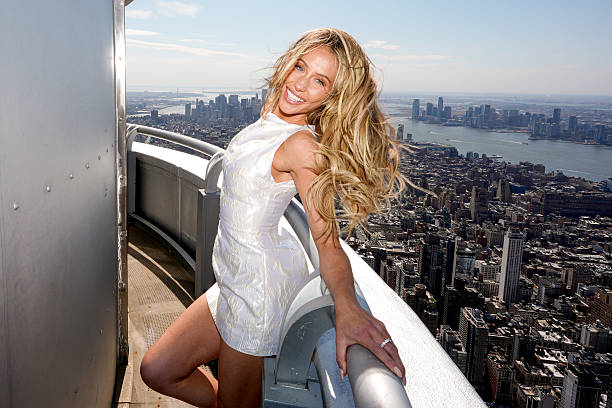
Celebrity Beauty Boom or Product Fatigue?
There was a time when a celebrity launching a new beauty brand felt exciting. Now, it feels almost expected and overdone. My first reaction when I heard the Reale Actives launch even as an Alix Earle fan was, “Another one, really?” Every few months, a new actor, musician, or influencer enters the skincare or cosmetic market promising innovation, authenticity, and a “personal” connection to consumers. The latest drop being Alix Earle and her skincare brand, Reale Actives.
From a public relations and marketing perspective, her launch raises an interesting question: Do we really need another celebrity beauty brand, or is the market reaching a point of oversaturation?
Why Some Celebrity Brands Are Successful
The beauty industry has always been crowded, but some celebrity brands have managed to break through in ways that feel bigger than a famous person attached to a product. One of the strongest examples, Rhode founded by Hailey Bieber, built a strong identity through “clean girl” branding and a minimal aesthetic that resonates with consumers. Fenty Beauty by Rihanna changed the industry out right when it first launched with its inclusive shade ranges and purpose driven messaging. Rare Beauty, created by Selena Gomez, found success not just through products, but by building an emotional brand tied to self-acceptance and mental health advocacy. These brands succeeded because they offered more than a celebrity tie. They had positioning.
When Fame and Fortune Isn’t Enough
In PR, this difference matters. Consumers today are highly aware of branding strategies and are quick to recognize when something feels manufactured. Fame may generate awareness, but that alone does not create trust or loyalty. Long-term brand equity comes from credibility, individuality and relationships with the public.
That is where some celebrity beauty brands get it wrong. For example, Blake Brown Beauty from Blake Lively faced heavy criticism and confusion over its brand identity. Item Beauty, launched by Addison Rae, struggled to stand out in an already congested market. Jaclyn Hill Cosmetics from Jaclyn Hill became a case study in how product controversies can quickly damage brand reputation all together.
Reale Actives and Authencity
This brings us back to Reale Actives. What makes Alix Earle an especially interesting case is that she built her platform from perceived authenticity. Unlike some celebrity founders with little connection to beauty, Earle has long made skincare and makeup part of her personal brand. Her platform started with “Get Ready With Me’s” in her college apartment doing her skincare and makeup to go out in Miami. She also consistently has been open with followers about struggling with acne and documenting her experience on Accutane, which adds credibility to her move into skincare.
From a PR viewpoint, this really matters. Her transparency has helped build trust with audiences who have watched her skincare journey in real time, making Reale Actives feel more like a natural brand extension than a celebrity side product that just doesn’t make sense. This combined with the parasocial connection she has built through her content, has made authenticity the brand’s biggest advantage in an oversaturated market. In skincare, trust can be just as important as the product itself.
Early Critiques
While Reale Actives has definitely generated strong buzz on social media, it has also faced early criticism. Some skeptics question whether Alix Earle’s skincare success is fully transferable to her brand, since she has openly discussed using treatments like Accutane for acne. This has led to some debate over whether the brand risks oversimplifying acne as something solved by skincare alone.
Others have pointed out broader influencer beauty fatigue, arguing that Reale Actives enters an already overcrowded market where Earle’s authenticity alone won’t make it stand out. In some online spaces like TikTok and Reddit, some consumers question whether the brand is meaningfully different from other celeb launches.
Can Popularity Turn Into Longevity?
Many influencer-founded brands perform well at launch because of hype, earned media, and social media buzz. But sustaining this as a business requires much more than viral momentum. It requires actual product performance, reputation management, consistent messaging and marketing as well as the ability to evolve beyond the founder’s personal brand. This is where fame alone may fall short. The strongest celebrity brands become larger than the celebrity attached to them. Consumers may initially buy because of the founder, but they stay because they truly invest into the brand’s value.
The Real Test
So, the question is do we need more celebrity beauty brands? Maybe not. But if a brand enters the market with a clear identity, authentic brand storytelling and something genuinely different to offer, there may still be room.
Whether Reale Actives will become the next Rhode or just another short-lived influencer venture is still uncertain, only time will tell.

