The Debrief
By Maya Jacobson 05/19/2026
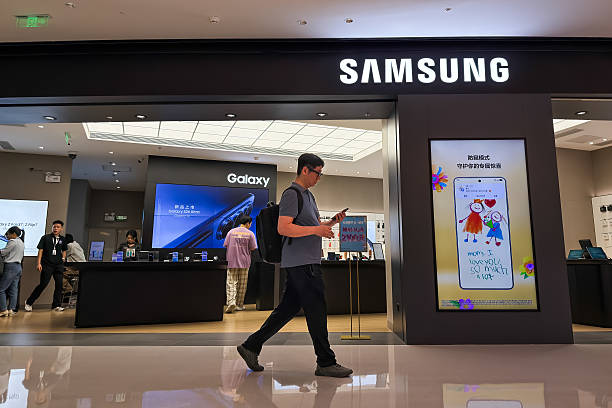
Dua Lipa vs. Samsung
As we know, celebrity partnerships are everywhere. From social media campaigns to retail displays, brands rely on recognizable, famous faces to grab a consumer’s attention and build outward credibility. But when those images are used without permission, the result can quickly turn into a copyright and public relations issue instead of a successful brand campaign.
Recently, pop star Dua Lipa became involved in a copyright and publicity rights legal dispute with Samsung after reports claimed her images were used on television retail displays without authorization. While celebrity collaborations are common in advertising, this situation shows how important legal approval and brand transparency are in modern marketing and PR.
Celebrity Branding Has Boundaries
Superficially, using celebrity images in a retail space, like a Samsung store, may seem harmless, especially when the celebrity is already culturally associated with fashion, music, technology, or whatever the brand is trying to sell. However, unauthorized usage can create major reputational and credibility risks for companies.
Celebrities carefully manage their own personal brands. Every partnership, endorsement, or campaign is carefully curated by that celebrity team, and they are used very intentionally. When a company uses an artist’s image without permission, it creates confusion among consumers who may assume there is an official collaboration in place.
This becomes a major trust issue for brands. Consumers today value authenticity and realness more than ever, in particular younger audiences like Gen Z. If audiences believe a company is misleading their consumers or taking advantage of celebrity influence or their image, backlash can happen very quickly on and offline. This is really relevant in the age of TikTok and other social media platforms, where legal disputes involving celebrities spread almost instantly. Even a small marketing oversight can turn into a viral conversation that shifts attention away from the product itself, and towards a questioning of the brand.
Celebrity Imaging in Marketing
This situation between Dua Lipa and Samsung also reflects how valuable celebrity identity is in advertising. Celebrities like Dua Lipa are not just musicians anymore, they are their own global brand. Their image, style, values, and personality carry enormous marketing power, which is why companies like to leverage their reputation to better their own. A recognizable celebrity face can make products appear trendier, more trustworthy, and culturally relevant. In retail environments visuals play a huge role in influencing consumers buying decisions.
But because celebrity branding is so valuable, it needs to be heavily protected legally. PR teams and legal departments typically work together to ensure image usage rights, contracts, collaborations, and licensing agreements are properly approved before any campaign launch. When that process breaks down, it shifts from marketing strategy to crisis communication.
Bigger Lesson for Brands
Dua Lipa entering a legal dispute with Samsung, shows that brands solely cannot rely on attention grabbing visuals or celebrity associations without making sure they are ethically and legally secure.
In many ways, this reflects a larger shift happening in pop culture marketing and PR. Audiences are becoming more aware of transparency, credibility, and accountability. Consumers want brands to be creative, but they also expect them to respect artists, creators, and public figures.

