The Debrief
By Maya Jacobson 04/15/26
The Advantage of the Long Wait
In today’s ever-evolving media cycle, most shows struggle to stay popular if they disappear for even a year. But the hit show “Euphoria” has managed to do the exact opposite. Despite nearly a four-year gap between Season 2 and Season 3, the show never really left the spotlight. From a public relations and marketing perspective, that kind of longevity is intentional and surprisingly strategic.
Part of this comes down to timing and circumstance. According to a recent Washington Post article by Emily Yahr, “‘Euphoria’ was off the air for four years. But it never went away,” the delay between seasons was due to a mix of industry strikes, production challenges, and the rising profiles of the star-studded cast. While those factors could have damaged the show’s momentum, they actually contributed to audience anticipation. Instead of oversaturating the audience with content, “Euphoria” benefited from mystery. The longer it stayed off our screens the more people talked about it and waited with bated breath for its eventual return.
Viral Content Sustains “Euphoria’s” Buzz
Yahr states that a major reason the show stayed culturally relevant is its impact on TikTok, memes and Gen Z as a whole. Even without new episodes, “Euphoria’s” signature look of dreamy glitter makeup and heavy, cinematic visuals continued to circulate online. Through fan-edits, TikTok users reframed scenes into aesthetic montages using trending sounds and music, as well as layered effects to heighten the show’s emotional tone. A big part of this staying power also came from the recognizable dialogue that took on a life of its own online. This includes Maddy’s (Alexa Demie) iconic line, “Is this f—ing play about us?” which became a viral audio clip used across countless unrelated contexts while still instantly signaling the show’s chaotic energy. This kind of user-generated content has kept “Euphoria” alive in a way traditional advertising cannot, because fans are not just consuming the show but actively reinterpreting and resharing daily in online formats.
From a PR standpoint, this creates an almost self-sustaining cycle of visibility where TikTok’s algorithm continuously resurfaces “Euphoria” related edits, meaning the show remains culturally present long after episodes air. Essentially the audience became part of the marketing strategy, extending the show’s lifecycle without additional effort from the network.
Always Available, Always Relevant
Streaming also played a key role in keeping the conversation going. Because “Euphoria” is available on streaming platforms like HBO Max, it never fully “goes away.” New viewers can discover it at any time, binge-watch past seasons and immediately join the online conversation. This accessibility creates a continuous flow of engagement, which is something that traditional television never had. Instead of relying on weekly episodes to maintain interest, streaming allows the show to exist as an always-available cultural product.
Star Power Extends the Brand
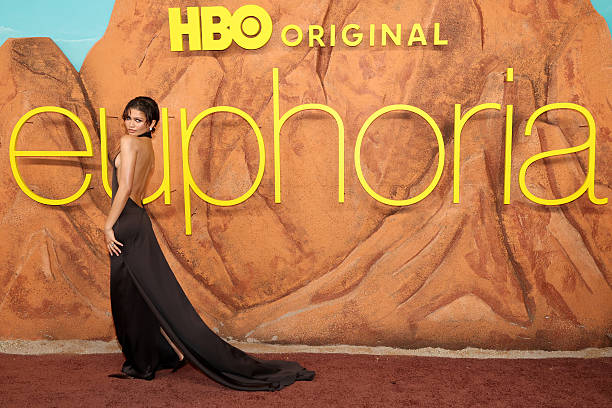
At the same time, the show’s cast helped sustain its visibility. Yahr explains that, stars like Zendaya have grown significantly since the last season aired, taking on major film roles like “Dune” or “Challengers.” As the cast’s individual brands grew, so did interest in “Euphoria,” and its public presence. This crossover between celebrity culture and the show itself kept it relevant in entertainment news and social media conversations.
Long Story Short
Ultimately, “Euphoria’s” long break could have been a major risk for the show. Instead, it became a case study in modern entertainment marketing. By combining strong visual identity, social media engagement and the accessibility of streaming, the show maintained its popularity without releasing new content. It shows that in today’s media landscape, staying visible is less about constant output and more about creating something audiences want to keep coming back to on their own.
To read more about The Washington Post article, “‘Euphoria’ was off the air for four years. But it never went away,” go to https://www.washingtonpost.com/style/2026/04/12/euphoria-return-season-three-zendaya-stars/.

