The Debrief
By Maya Jacobson 05/06/2026
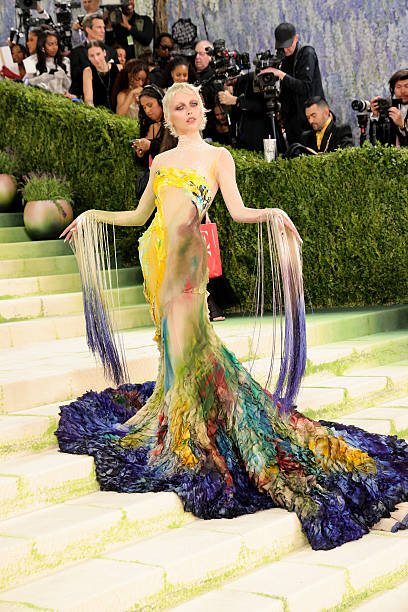
Roll Out the Red Carpet
Every first Monday of May, the Met Gala floods New York City and our social media feeds with dramatic fashion and celebrity content. But beneath the spectacle, the event serves a much bigger purpose. The Met Gala is held as a fundraising benefit for the Metropolitan Museum of Art’s Costume Institute, generating millions of dollars to support fashion exhibitions and programming.
The exclusivity of the event, unfathomable ticket prices, curated guest lists and luxury fashion houses, builds a huge amount of prestige. The Met Gala is basically a master class in positioning a nonprofit event as a cultural phenomenon, recognized by millions around the world. It combines celebrity influence with institutional credibility, turning a museum fundraiser into one of the most talked-about nights of the year.
Theme Strategy
Each Met Gala theme directly corresponds with the Costume Institute’s annual exhibition. The theme acts as the Met Gala’s “campaign” central message, giving the media, designers, and attendees a clear narrative to interpret and amplify.
In theory, the red carpet becomes an extension of the exhibit itself, a living, visual preview of the art inside the museum. This alignment strengthens the museum’s brand while making the exhibition feel relevant and accessible to a global audience.
Themes Shape Trends
Even for people who don’t watch the event closely, the Met Gala quietly sets the tone for upcoming fashion and beauty trends. Designers use them as a creative challenge, generating bold, experimental looks that often influence future collections. Simultaneously, social media helps ease this process along. A single standout look can spark trends in anything such as a rise in metallic makeup, sculptural silhouettes, or archival inspired designs within hours of the event.
This is an example of agenda setting in action. The Met Gala does not just reflect cultural and trends, it helps define them. By merging high fashion with mass visibility, it makes niche artistic concepts into mainstream conversion.
So Why Does No One Ever Seem to Follow It?
What I always ask myself is why do these celebrities always seem so off theme? Despite the Met Gala having clear messaging, many celebrities who attend seem to disregard the theme all together. At first glance, it may seem like a disconnect but in reality they often do this on purpose.
Personal branding for celebrities takes priority. Celebrities choose looks that align with their image, even if it means only loosely interpreting the theme. Playing it safe can also sometimes reduce the risk of online backlash (I would argue that it may produce even more), whereas bold choices are looked at more closely by viewers. In many cases, designers drive the final look, using the platform to prompt their own vision rather than strictly adhering to the theme.
Why “Missing the Theme” Still Works
However, when celebrities miss the theme, it actually benefits the event. Online debates about who “understood the assignment” or “who won the Met,” generates audience engagement and additional media coverage. The conversation extends the life of the event, keeping it relevant long after the red carpet ends. The tension between the museum’s message and individual branding creates multiple storylines, broadens audience interest, and keeps the Met Gala at the center.
The Real Win
By combining exclusivity, art, and celebrity influence the event transforms a traditional fundraiser into a global PR phenomenon. Whether attendees follow the theme or not, one thing remains consistent, people are watching, talking, and sharing.

