The Debrief
By Maya Jacobson 05/13/2026

From “Brat Summer” to “Clean Girl,” Identity is The New Strategy
If there is one thing modern marketing understands, it is that people rarely buy just the product anymore. They buy the lifestyle, a personality and a version of themselves they want to be perceived as. This is exactly why aesthetics-driven branding has completely taken over pop culture.
The massive success of “Brat” summer 2024 is only one example of a much bigger trend. Brands and celebrities are no longer simply promoting music, makeup, or clothing, they’re actively creating identities audiences can step into, by buying their products.
Social Media Changed The Way We Connect With Brands
We’ve seen versions of this everywhere over the last few years. The “clean girl” aesthetic transformed minimalist beauty and wellness lifestyle into a social media personality. “Coastal granddaughter” turned neutral sweaters, hydrangeas, and Cape Cod beach walks into an aspirational lifestyle. Even popular brands like Rhode market less around the products themselves and more around the curated feeling of effortless coolness. This strategy works because it taps into how people use social media nowadays.
Platforms like TikTok and Instagram encourage users to build their own personal brands, whether on purpose or not. Every post, playlist, outfit and caption becomes a part of the user’s online identity. Because of that, audiences are naturally drawn to trends that help communicate who they are, or who they want to be.
Consumer-Driven Marketing
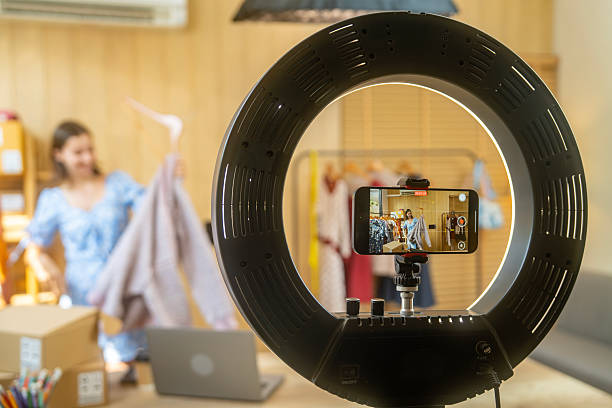
This aesthetic driven marketing is very effective as a PR strategy and tool. A successful aesthetic creates free user-generated content because audiences willingly participate and promote the branding. People recreate the visuals, language, and behaviors attached to the trend without being asked to, making consumers become the marketers themselves.
The Risks
Nonetheless, there is also a downside to aesthetics-based marketing. Trends move quickly online, especially with the rise of short-form content, and audiences are becoming increasingly aware when branding feels forced or not legit. The moment a campaign appears to be calculated or overly commercialized, social media users tend to reject it immediately. At the end of the day, consumers want to feel a sense of individuality, so when something doesn’t feel real or feels overdone, it flops.
This is partly why “Brat” connected with audiences so strongly. It felt messy, ironic, and something different from the norm. It didn’t feel like a brand or artist trying too hard to be relevant. Authenticity, or at least perceived authenticity, has become one of the most valuable forms of PR.
Emotional Branding Will Continue To Dominate
The challenge for brands now is figuring out how to participate in online culture without looking like they need it or are chasing it. Because today, the most successful campaigns aren’t necessarily selling products at all, they are selling a feeling consumers want to have.
 The Debrief