The Debrief
By Maya Jacobson 05/13/2026

As summer rolls around, I can’t help but think back to Summer 2024, when “Brat Summer” was first coined as the carefree, chaotic-girl aesthetic. At first glance, Charli XCX “Brat” era just seemed too simple to work. A neon green album cover, lowercase text, grainy photos, and messy party girl energy. But somewhere between the dance music, TikTok edits, and celebrity endorsements, “Brat” stopped being just an album title and became the defining aesthetic and lifestyle for the summer.
Out With The Old, In With The New
Unlike the polished celebrity campaigns that leaned heavily into minimalism and “clean girl aesthetic,” the “Brat” rollout leaned into its perceived chaos. It felt-self aware, unserious and refreshingly imperfect. With so much being pushed into the media the appearance of perfection and curated lifestyles, the album’s authenticity stood out immediately. Fans weren’t just listening to the album, they were participating in an entire online personality.
Suddenly, being “brat” meant something different to everyone. For some, it meant staying out late partying and waking up with last night’s makeup still on. For others, it meant confidence, independence, and not caring at all what anyone thought. The flexibility of the branding allowed fans to project their own identity onto the trend, which is exactly why it spread so quickly.
Tiktok Helped “Brat” Turn Into a Movement
Tiktok took “Brat Summer” and ran with it. TikTok creators started using the album’s music in videos about fashion, dating, nightlife, and chaotic summer moments. Brands started referencing the aesthetic in their own content. Even people who had never listened to the album recognized its signature lime green almost instantly. This kind of visibility is every marketer’s dream.
What makes this really interesting from a PR perspective is that it never felt overly corporate. Nothing about the campaign screamed “manufactured,” it almost felt like it happened by chance. The internet culture naturally adopted it and gave it a life of its own. Now, even two summers later, “Brat Summer” is still a part of the conversation.
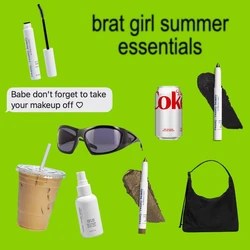
Audiences Want to Participate in Pop Culture
The campaign was also very successful because it understood today’s social media behavior. Audiences don’t want to simply consume pop culture, they want to participate in it. They want trends that feel customizable, emotionally relatable, and like they’re buying into a lifestyle. “Brat” became less about Charli XCX as an artist, and more about the feeling people attached to the brand. This emotional connection is what elevated the campaign from a successful album launch to a full on cultural phenomenon.
At the center of the campaign was consistency. The visuals, tones, humor and messaging all aligned perfectly across platforms. Even when the internet began remixing the trend into short-form content, the branding remained instantly recognizable.
What Can We Learn as PR Professionals From “Brat”
For PR and marketing professionals, the success of “Brat” is proof that audiences connect more deeply with branding that feels like an aesthetic in itself rather than a product. And as Charli XCX herself said at her 2025 Coachella set, “Does this mean Brat Summer is finally over? IDK? Maybe?” I’d argue that it’s far from over.
To read more about the rise of brands selling an aesthetic along with their products go to my next post.

